
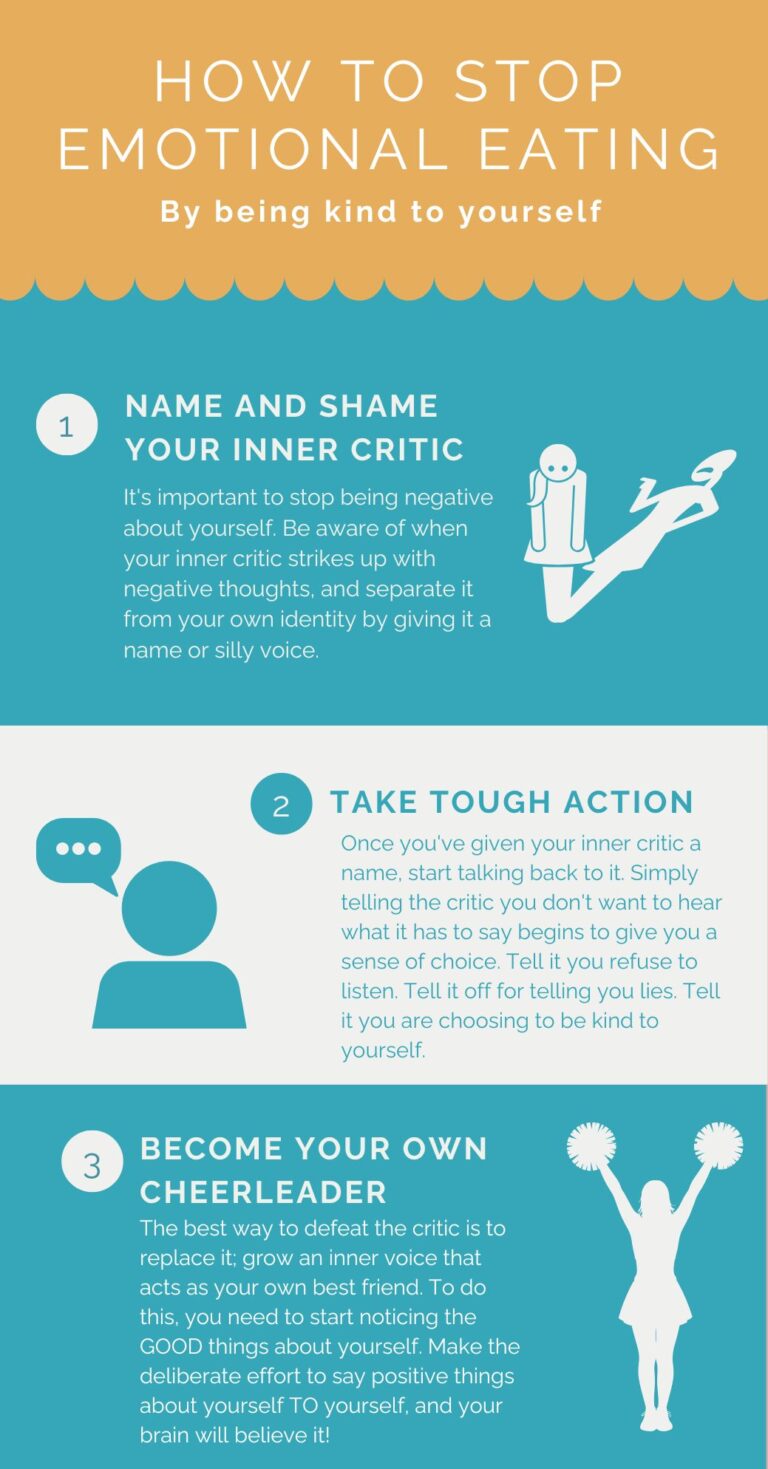
Emotional eating happens when you eat in response to feelings rather than physical hunger. It can be triggered by any emotion; stress, sadness, anxiety, boredom, tiredness, happiness, or simply the need for comfort.
Emotional eating is a learned response. Over time, food can become linked with comfort, reward, distraction, or soothing and once your brain learns that food can make you feel better, even temporarily, it may keep returning to that pattern.
You can break this pattern!
Why does emotional eating happen?
For many people, emotional eating begins early in life.
Food may have been used as a reward, to keep you quiet, as comfort when you were upset, or even as a way of saying sorry. These experiences can quietly teach the brain that food is connected with care, safety, and soothing.
You can also see this reinforced in everyday culture, where food is often linked with comfort. Such as the familiar image of eating ice cream after a breakup or glass of wine on a friday to relax. With adverts even being shown with the slogan “the icecream that makes you look forward to being dumped by your boyfriend”!
Over time, this can create a pattern where food becomes the automatic answer to any emotional need.
How emotional eating affects weight loss
Emotional eating can lead to a cycle of guilt, restriction, cravings, and starting over.
One emotional eating moment can make you feel as though you have ruined everything. This can trigger the “what the hell” effect, where one moment turns into “this doesn’t work so I might as well throw in the towel”!
This video explains why emotional eating and self-sabotage can happen during weight loss, and how you can begin to understand and change these patterns.
How to start changing emotional eating
The first step is not criticism. It is curiosity.
Try asking, “What am I really needing right now?”
Before reaching for food, pause and ask yourself:
- Am I physically hungry?
- Am I tired?
- Am I stressed or overwhelmed?
- Am I looking for comfort, distraction, or relief?
- Is food giving me a hug right now?
This small pause helps bring an automatic habit into conscious awareness. Once you can see the pattern, you have more choice over what happens next.

Five practical ways to respond differently
Here are five simple steps that can help loosen emotional eating’s grip:
- Pause before eating. You do not have to stop yourself. Just create a moment of awareness.
- Name the feeling. Ask yourself whether you are stressed, sad, bored, tired, lonely, or anxious.
- Identify the need. Are you looking for comfort, rest, connection, reassurance, or a break?
- Try one non-food response first. This could be a short walk, a warm drink, music, breathing, journaling, or messaging someone.
- Respond with compassion. If you do eat emotionally, avoid punishment or restriction. Notice what happened and return to your next normal meal.
Emotional eating and emotional inheritance
I recently had a conversation with Dr Tara Porter, a clinical psychologist with nearly three decades of experience, and it touched on something many people overlook.
Emotional inheritance.
These are the messages we absorb growing up: comments about weight, rules around food, expectations around appearance, or beliefs about how our bodies “should” look. These messages can stay with us far longer than we realise.
We also spoke about perfectionism, body image, and the early experiences that quietly shape how we feel about food and ourselves.
And Tara shared a simple but powerful exercise: writing a letter to yourself. Not to send, and not to get perfect, but simply to express what has been sitting underneath the surface.
You can listen to the full conversation above.
Moving forward with compassion
Emotional eating is often about comfort, relief, protection, entertainment, or reassurance.
When you begin to meet those moments with understanding rather than criticism, your relationship with food can start to change.
If you would like to explore this more deeply, my Sunday Times bestselling book, The Weight’s Over: Take Back Control, offers practical tools and insights to help you rebuild your relationship with food in a way that feels natural, steady, and compassionate.
You can also explore more of Dr Tara Porter’s work here.
Frequently Asked Questions
What is emotional eating?
Emotional eating is when you eat in response to feelings rather than physical hunger. It can happen when you feel stressed, sad, anxious, bored, tired, happy, or in need of comfort. Food may become a way to soothe, distract, reward, or create a temporary feeling of relief.
Why do I eat when I am not hungry?
You may eat when you are not hungry because your brain has learned to connect food with comfort, safety, reward, or distraction. This pattern often begins early in life and can become automatic over time. Pausing to ask what you really need can help you understand the emotion behind the urge.
How can I stop emotional eating?
The first step is to notice the pattern without criticising yourself. Before eating, pause and ask whether you are physically hungry or looking for comfort, relief, rest, or reassurance. Naming the feeling, identifying the need, and trying one non-food response first can help create a new habit over time.
Is emotional eating bad for weight loss?
Emotional eating can make weight loss feel harder when it leads to guilt, restriction, cravings, and starting over. One emotional eating moment does not ruin your progress. What matters most is how you respond afterwards. Returning to your next normal meal with compassion can help break the all-or-nothing cycle.
Can Slimpod help emotional eating?
Yes, Slimpod supports those who want to change their relationship with food and become more aware of emotional eating patterns. It is designed to help you build calmer, steadier habits without dieting, guilt, or restriction. Emotional eating can have many causes, so if it feels distressing or out of control, it is important to seek professional support.





1 thought on “Emotional Eating: Why It Happens and How to Start Changing It”
Hi there, the text on this page refers to a video but it’s not displaying, I’ve tried in two different browsers and can’t see it: https://thinkingslimmer.com/emotional-eating-why-it-happens-and-how-to-start-changing-it/