
I have to admit, some of the nutrition research I read really surprises me. Are jacket potatoes healthy? As usual, the answer is: as part of a healthy diet, yes jacket potatoes can be a healthy choice.
Recently, I was looking into the relationship between carbohydrates, blood sugar and weight loss and discovered something that made me stop and think. Some of the foods we think of as “healthy” can affect our blood sugar in ways most people never realise.
One food that kept cropping up was the humble jacket potato.
Now, if you’re trying to lose weight, you’ve probably heard conflicting advice about potatoes. Some experts say they’re nutritious and filling. Others tell us to avoid them because they’re high in carbohydrates.
So who’s right?
The truth is that jacket potatoes sit somewhere in the middle. They’re rich in vitamins, minerals and fibre, naturally low in fat and surprisingly satisfying. However, because they contain starch, they can also affect blood sugar levels, making them a topic of interest for people concerned about diabetes, weight loss and healthy eating.
So are jacket potatoes healthy?
The short answer is yes. For most people, a jacket potato can absolutely be part of a healthy diet. But as with so many nutrition questions, the full answer is a little more interesting than that.
Related: How much sugar in a pint of lager? The sugar content of your favourite drinks, revealed
Are Jacket Potatoes Good For You?
One of the things I find fascinating about nutrition is how often foods develop a reputation that doesn’t quite match reality.
Potatoes are a good example.
For years they’ve been blamed for everything from weight gain to blood sugar problems. Yet when you look at the nutritional profile of a plain baked potato, it’s actually packed with goodness.
A jacket potato contains:
-
Fibre, especially when you eat the skin
-
Potassium, which helps support healthy blood pressure
-
Vitamin C
-
Vitamin B6
-
Antioxidants
It’s also naturally low in fat and contains no cholesterol.
Of course, there’s a big difference between a plain jacket potato and one smothered in butter, cheese and creamy sauces. As with most foods, how it’s prepared matters.
But the potato itself isn’t the nutritional villain it’s sometimes made out to be.
In fact, one of the reasons potatoes have remained a staple food around the world for centuries is because they’re nutritious, affordable and incredibly satisfying.
Related: How to stop food guilt
How Much Sugar Is In A Potato?
Many people are surprised to discover that potatoes actually contain very little sugar.
A baked potato contains roughly 1 gram of naturally occurring sugar per 100 grams. That’s far less than many fruits and dramatically less than sugary snacks or soft drinks.
So why are potatoes often associated with sugar? The answer lies in starch.
Potatoes contain a significant amount of starch, which is a complex carbohydrate. During digestion, your body breaks starch down into glucose, which enters the bloodstream.
This is why potatoes can influence blood sugar levels, despite containing very little actual sugar.
Sugar Content of Common Potato Types (per 100g cooked)
| Potato type | Sugar (g) |
|---|---|
| Boiled potato | 0.9 |
| Jacket/Baked potato | 1.2 |
| Mashed potato | 1.5 |
| Roast potato | 1.1 |
| Sweet potato | 6.5 |
Do Potatoes Turn Into Sugar?
In simple terms, yes. When you eat potatoes, your digestive system converts much of the starch into glucose. However, this isn’t unique to potatoes.
Bread, rice, pasta and many breakfast cereals are all broken down into glucose during digestion. The important question isn’t whether potatoes turn into sugar. It’s how quickly that sugar enters the bloodstream and how your body responds.
Factors that influence this include:
-
- Portion size
-
- Cooking method
-
- Whether the skin is eaten
-
- What foods are eaten alongside the potato
Adding protein, healthy fats and vegetables to a meal can help slow digestion and create a more gradual rise in blood sugar levels.
Do Jacket Potatoes Raise Blood Sugar?
Yes, jacket potatoes can raise blood sugar levels because they contain carbohydrate in the form of starch. However, the effect is not the same for everyone.
A plain jacket potato eaten on its own may have a different effect compared with a potato eaten as part of a balanced meal containing protein, vegetables and healthy fats.
Interestingly, cooling and reheating potatoes changes some of their starch into resistant starch. This type of starch is digested more slowly, which may help reduce blood sugar spikes and increase feelings of fullness. While it doesn’t transform potatoes into a weight loss food, it may make them slightly more satisfying and beneficial for gut health.
For most people, the occasional rise in blood sugar after eating carbohydrates is completely normal. The body is designed to handle it. The bigger picture is what matters most: your overall eating pattern rather than any single food.
Can Diabetics Eat Jacket Potatoes?
I have to admit that some of the research papers I read really surprise me. When I first started looking into the relationship between food and blood sugar, I assumed that foods we think of as “healthy” would have very little impact on glucose levels. The reality is often more complicated.
One of the most fascinating discoveries is how strongly lifestyle habits influence our health. Research has repeatedly shown that healthy eating and regular movement can play a powerful role in preventing and managing type 2 diabetes.
As Professor James Barnard of UCLA wrote: “There is much we can do with a healthy lifestyle alone, no medications needed, to prevent diabetes.”
So where do potatoes fit into the picture?
What surprises many people is that a jacket potato contains very little actual sugar. The reason potatoes are discussed so often in relation to diabetes is that the starch they contain is broken down into glucose during digestion.
This doesn’t mean people with diabetes need to avoid potatoes altogether. Instead, it helps to understand the bigger picture:
-
- Portion size matters.
-
- What you eat alongside the potato matters.
-
- Protein, fibre and healthy fats can help slow digestion.
-
- Everyone responds slightly differently to carbohydrates.
In other words, potatoes are not automatically “good” or “bad”. They are simply one part of an overall eating pattern. And that’s important because when we focus on individual foods rather than our habits as a whole, we often miss the bigger picture.
Are Jacket Potatoes Good For Weight Loss?
Potatoes have developed an unfair reputation when it comes to weight loss. Many people trying to lose weight immediately cut out potatoes because they’re worried about carbohydrates. Yet research suggests potatoes are one of the most satisfying foods available, and feeling satisfied after eating is important.
When a meal leaves you feeling comfortably full, you’re less likely to find yourself grazing or reaching for snacks later in the day. A simple jacket potato topped with tuna, beans, cottage cheese or chilli can create a filling, nutritious meal that supports your goals.
The potato itself is rarely the problem. More often, excess calories come from large quantities of butter, cheese, mayonnaise or other rich toppings.
If you’re trying to lose weight, there’s usually no need to eliminate potatoes. A sustainable approach is more effective than constantly feeling deprived.
Still Confused About Healthy Eating?
If you’ve ever felt frustrated by conflicting advice about food, you’re not alone.
One expert says potatoes are healthy. Another says they’re full of sugar. One diet bans carbs altogether while another encourages them.
No wonder so many people end up confused.
The truth is that lasting weight loss isn’t about finding the perfect food. It’s about developing habits that help you make healthier choices naturally.
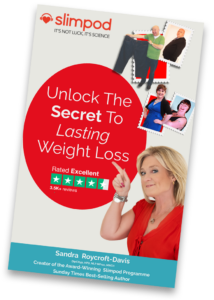
That’s exactly what Sandra Roycroft-Davis explains in her free ebook:
Unlock the Secret to Lasting Weight Loss
Discover:
-
Why willpower lets us down
-
How eating habits are formed
-
The surprising role your subconscious plays in food choices
-
Why healthy eating becomes easier when you work with your brain, not against it
Are Sweet Potatoes Good For You?
Sweet potatoes are often described as a healthier alternative to ordinary potatoes and they do offer some unique nutritional benefits. In particular, sweet potatoes are rich in beta-carotene, which the body converts into vitamin A. They also contain fibre, antioxidants and a range of vitamins and minerals.
However, this doesn’t automatically make them superior. Regular potatoes contain more potassium and are also highly nutritious, and both can contribute to a healthy diet.
Are Sweet Potatoes Healthier Than Jacket Potatoes?
There’s no clear winner, as demonstrated in this chart:
| Nutrient | White Jacket Potato | Sweet Potato |
|---|---|---|
| Vitamin A | Lower | Higher |
| Potassium | Higher | Lower |
| Sugar | Lower | Higher |
| Fibre | Similar | Similar |
| Calories | Similar | Similar |
The healthiest choice is often the one that you enjoy and can eat as part of a balanced diet. Variety is usually more beneficial than labelling one food as “good” and another as “bad”.
Potato Nutrition Comparison
| Potato type (cooked) | Calories | Carbs (g) | Sugar (g) | Fibre (g) | Protein (g) | Fat (g) |
|---|---|---|---|---|---|---|
| Baked/Jacket potato (skin on) | 93 | 21.2 | 1.2 | 2.2 | 2.5 | 0.1 |
| Boiled potato | 87 | 20.1 | 0.9 | 1.8 | 1.9 | 0.1 |
| Mashed potato | 113 | 17.8 | 1.5 | 1.5 | 2.0 | 4.2 |
| Roast potato | 149 | 26.4 | 1.1 | 2.3 | 2.5 | 4.8 |
| Fried potato (chips/fries) | 312 | 41.4 | 0.3 | 3.8 | 3.4 | 15.0 |
| Sweet potato, baked | 90 | 20.7 | 6.5 | 3.3 | 2.0 | 0.2 |
The Bottom Line: Are Jacket Potatoes Healthy?
Yes, jacket potatoes can be a healthy choice. They’re rich in nutrients, naturally low in fat and one of the most satisfying foods you can eat. While their starch is broken down into glucose during digestion, this doesn’t make them unhealthy.
For most people, potatoes can be part of a balanced diet, support healthy eating and even help with weight loss by promoting fullness and satisfaction.
If you have diabetes or concerns about blood sugar, paying attention to portion sizes and what you eat alongside potatoes may be more important than avoiding them altogether. Ultimately, healthy eating isn’t about fearing individual foods. It’s about building habits that are enjoyable, sustainable and work for your body over the long term.
Frequently Asked Questions
Are jacket potatoes healthy?
Yes. Jacket potatoes provide fibre, potassium, vitamin C and complex carbohydrates while being naturally low in fat.
Are jacket potatoes good for weight loss?
They can be. Potatoes are highly filling, which may help reduce hunger and make it easier to stick to a healthy eating pattern.
How much sugar is in a potato?
A baked potato contains only around 1 gram of sugar per 100 grams. Most of its carbohydrate comes from starch rather than sugar.
Can people with diabetes eat potatoes?
Many people with diabetes can include potatoes in a balanced diet, although portion size and individual blood sugar responses should be considered.
Are sweet potatoes healthier than normal potatoes?
Both are nutritious. Sweet potatoes contain more vitamin A, while white potatoes contain more potassium.
Why Slimpod Is Different
Most weight loss programmes focus on telling you what to eat, but Slimpod takes a different approach.
Created by Harley Street behavioural change specialist Sandra Roycroft-Davis, Slimpod helps people change their relationship with food by retraining the habits and behaviours that drive eating choices.
Since 2010, hundreds of thousands of people have used Slimpod to lose weight without calorie counting, food rules or giving up the foods they love.
The programme has been:
-
Used in NHS settings
-
Evaluated in independent clinical trials
-
Featured on national television
-
Rated Excellent on Trustpilot by thousands of members
Because lasting weight loss isn’t just about knowing what to eat. Most people already know that.
The challenge is making those choices consistently and effortlessly.
About Sandra Roycroft-Davis
Sandra Roycroft-Davis is the creator of Slimpod, a weight loss programme that has helped hundreds of thousands of people change their relationship with food since 2010.
A Sunday Times bestselling author and award-winning behavioural change specialist, Sandra has spent more than two decades studying the psychology of eating habits, weight loss and behaviour change.
Her work has been featured on national television, used by NHS organisations and evaluated in independent clinical research.
Sandra’s approach focuses on helping people make healthier choices naturally, without calorie counting, food rules or restrictive dieting.






21 thoughts on “Are jacket potatoes healthy? The truth about potatoes, sugar and weight loss”
Interesting though I think people process baked potatoes differently. And if there is a significant protein filling and the eat the skin its possibly observed more slowly.
It makes choosing the best foods more difficult when non processed vegetables contain so much hidden sugar .
Wow this is so unexpected thought these foods were good for you. Thanks for information.
Baked potato is great – just make sure you eat the skin as well! Great article, thank you Sandra.
Aways thought a baked spud was a healthy option?! I knew starchy foods converted to sugar, which you lay down as fat in your body if you don’t use up the energy, but had no idea there was so much! Glad I don’t like rice or spaghetti much ???LOL
Sandra Roycroft Davis : are sweet potatoes different?
Sweet potatoes have more fibre and are slightly lower on the glycemic index than white potatoes. So blood glucose will rise a little more gradually with sweet potatoes than with white potatoes. Sweet potatoes are also a rich source of vitamin A and beta-carotene.
Sorry but it is getting to the point were it would be better not to eat anything just drink water. We should just abide by Slimpod motto Eat less, Move more ? Don’t stress, Be happy with your choices x Sylvia
Thank you this information is very informative who would have thought baked jacket potato was that high in sugar ?
Interesting, I’ve looked at this diet. It isn’t something I could do, some days there is no breakfast just coffee with coconut cream. There are very mixed reviews for it, some saying it’s just a pick and mix of the Mediterranean diet with a few tweaks
I’m not recommending it as a diet, of course. With a Slimpod programme you don’t need to follow eating instructions. I just find it interesting that food we think is good for us turns out not to be!
Will now be swapping my basmati rice to plain boiled. I thought I was being good eating a vegetable Chili with this type of rice! 🙁
That’s really good info thank you Sandra
Devastating I have been eating baked potatoes and bananas every day thinking I was being healthy!!!! I knew that carbohydrates convert to sugar but not this much. Always eat the skin on baked potatoes but guess being hypothyroid doesn’t help metabolise these foods so quickly before it is laid down as fat
This article was very informative. It really made you think.
I think it’s important to remember that unless you’re diabetic or prediabetic, then these foods are not unhealthy. We need carbohydrates as part of a balanced diet and a potato contains nutrients unlike biscuits and donuts for example. If you need to watch your blood sugar levels then this is really helpful information but if you don’t, then eat them but just keep an eye on your portion sizes.
I always thought baked potatoes were very healthy also one or two of the other foods you mentioned. Thank you for sharing this
Is it true that lentils and pulses are better than potato. How do I use Quinoa?
Beans of all kinds such as peas, chickpeas and lentils add texture and flavour to meals and are just as nutritious as meat and fish, giving us iron, fibre and vitamins and minerals.
Here’s some good quinoa recipes courtesy of Readers Digest: https://www.rd.com/health/healthy-eating/what-is-quinoa/
That is all so very frightening for me, no wonder I have been feeling so ill.
What potato should I eat then to lose weight – we need carbohydrates surely?