If you’ve ever felt as though you’re doing brilliantly with your weight loss one minute, then slipping back into old habits the next, I want you to know something – You’re not alone, and it doesn’t mean you’ve failed.
In more than 15 years of helping people change their relationship with food, I’ve learnt that one of the biggest obstacles to lasting weight loss isn’t always knowing what to eat.
It’s what happens in your mind when life gets difficult, because let’s face it, life has a habit of getting in the way!
You might be feeling motivated, making healthier choices and finally starting to feel in control around food. Then work becomes stressful, you’re not sleeping properly or something difficult happens in your personal life. Suddenly, those old habits start creeping back, and that familiar little voice appears. “Here we go again. I’ve ruined it. I knew I couldn’t do this.”
Sound familiar?
Well, here’s what I want you to understand. The way you respond to those moments can make an enormous difference to what happens next, and that’s where mindset and something called reframing come in.
Why is mindset so important for weight loss?
Your mindset influences how you see yourself, how you respond to challenges and whether you believe you’re capable of changing, and those beliefs can have a powerful effect on your behaviour.
If you’ve spent years telling yourself you’re hopeless at losing weight or have no willpower, those thoughts can become so familiar that you barely notice them.
You start looking for evidence that they’re true. One difficult day becomes proof that you can’t do it. One evening of emotional eating becomes another failed attempt. Meanwhile, all the positive changes you’ve made get pushed into the background.
Psychologists call this confirmation bias: our tendency to notice information that supports what we already believe.
But here’s the encouraging bit: you can learn to challenge those beliefs.
Instead of thinking “I always fail”, you can recognise that you’ve had setbacks before and still made progress, and when you begin to believe you’re capable of changing, it becomes easier to keep taking the actions that move you forward.
That’s how you start rebuilding something I believe is fundamental to lasting change – self-belief.
What is reframing, and how does it help with weight loss?
Reframing is a simple psychological technique that involves looking at a thought or situation from a different, more helpful perspective.
It doesn’t mean pretending everything is wonderful when it isn’t. It means recognising there’s often another way of looking at what’s happened.
For example:
- Instead of “I’ve ruined everything by eating that cake”, try “I enjoyed some cake. My next choice is a fresh opportunity.”
- Instead of “I’ve got no willpower”, try “Perhaps there’s something triggering my eating that I haven’t recognised yet.”
- Instead of “I’ve put weight back on, so I’m back to square one”, try “I’ve made progress before, and I can build on what I’ve learnt.”
Can you see the difference?
The first thought creates guilt or frustration. The second gives you somewhere to go. That’s important because guilt and self-criticism can sometimes make emotional eating even harder to manage. Reframing helps interrupt that cycle.

Why weight loss isn't a straight line
There’s something I wish every person knew before starting another weight-loss journey – progress isn’t always linear, and that’s perfectly normal.
We imagine weight loss as a lovely straight line heading steadily downwards, but real life rarely works like that. There are holidays, illnesses, stressful jobs, family responsibilities, bereavements, and periods when we’re simply exhausted.
For many women, perimenopause and menopause bring additional challenges, including disrupted sleep and changes in appetite and body composition, and sometimes the scales don’t reflect the positive changes happening in your life.
Perhaps you’re sleeping better, perhaps you’re no longer constantly thinking about your next snack, or perhaps you’ve stopped beating yourself up every time you eat something you think you shouldn’t. Those are wins too, and they’re worth celebrating.
Lasting weight management isn’t about being perfect, it’s about building habits that can support you through life’s ups and downs.
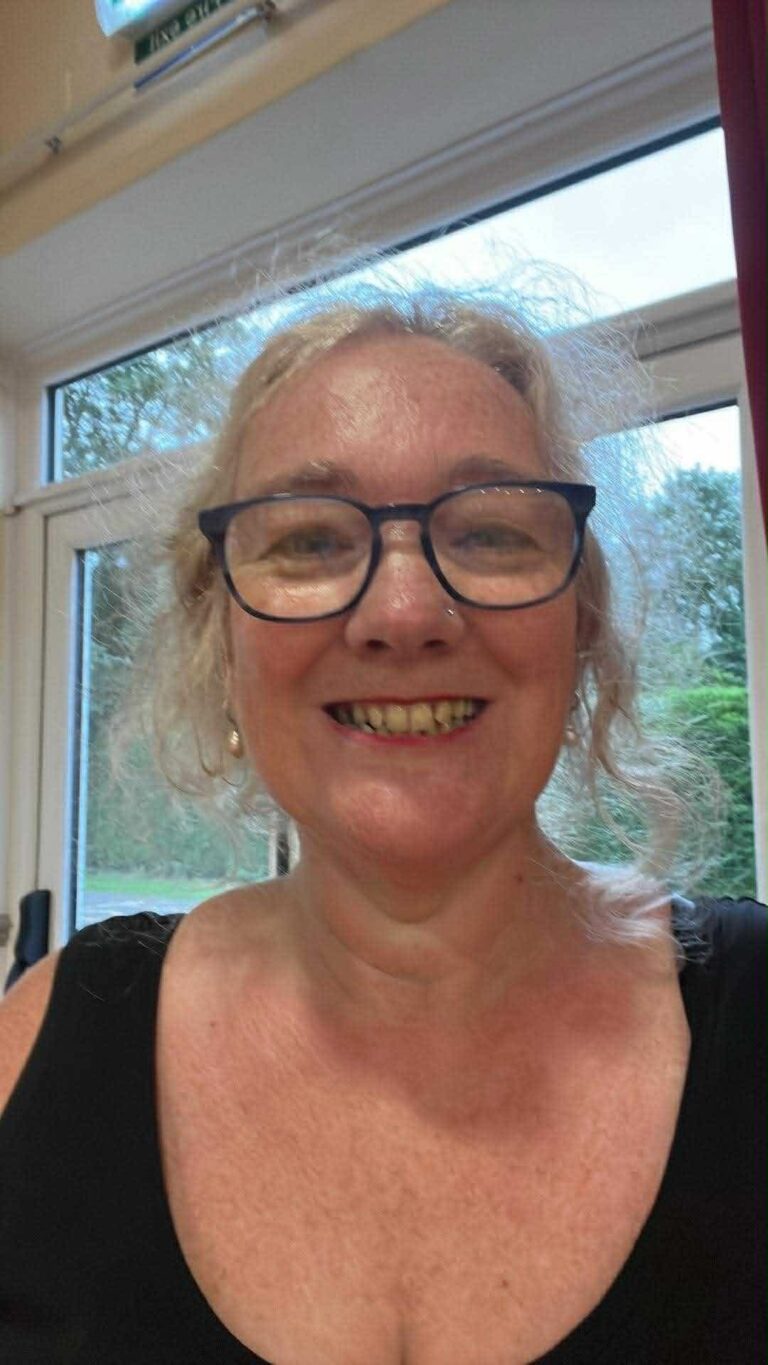
Which brings me to a very special Slimpodder.
June's story: Finding her way back after life knocked her sideways
June has been part of our Slimpod community for six years. During that time, life has thrown an extraordinary amount at her.
Three major surgeries, a broken ankle, a broken collarbone, grief, depression, and the challenges of living with fibromyalgia.
For a while, June felt she’d lost the mindset and confidence she’d worked so hard to build. Old habits returned, food noise appeared, and the frustration of knowing what she wanted to do, but struggling to do it, became overwhelming.
I think so many of you will recognise that feeling.
What I love about June’s story is that she didn’t find her way forward by becoming stricter with herself, she began by changing the way she looked at her goals, her habits and, most importantly, herself.
June’s story, in her own words:
My Slimpod journey has been long and has had many reroutes along the way. Three major surgeries, a broken ankle, grief, depression, and now a broken collarbone.
It took a long year for my mindset to return following the depression and grief. During that time I knew what I was meant to be doing, and I’d manage it for a couple of days, then it went pear-shaped again.
Some weight came back on, and my happiness turned into frustration. I couldn’t listen to my own advice, yet I knew it was right.
This last 12 months completely threw me off. Procrastination became my enemy, food noise appeared, and I became obsessed with reading everything about diet and health.
My mindset had become fixed and had stopped growing. Everything became a habit, and not good ones. The fibro fought back and I allowed it to win.
Eventually I reached out for counselling. Six weeks of discussing exactly what Slimpod and Sandra had taught me over six years proved to me that I do need goals, and I work far better with deadlines.
But I realised my old deadlines were always “lose this weight by this date”, and that was the trigger.
My goal should be happiness, to love myself and to focus on pleasing me, not always putting others first.
Right now I have a daily chart. What I’m eating and how I feel afterwards. How I feel when I want to snack, and when those feelings happen, so I can spot the emotional reasons or habits behind them.
My activities, my intentions, my wins, and a final check-in each evening.
I hope this helps others who feel stuck in a spiral. You are not alone. Weight loss isn’t linear. We are not simply that 5 percent, we are what we make for ourselves, and that is your own decision.
What can we learn from June's experience?
There are three things I particularly love about June’s story.
First, she recognised that struggling didn’t mean she’d failed. She’d been through an incredibly difficult time. Rather than continuing to blame herself, she began to understand why things had changed.
Second, she changed what success meant to her. Instead of focusing on losing a particular amount of weight by a deadline, she began prioritising happiness, self-care, and feeling good about herself, because you don’t have to wait until you’ve lost weight to start feeling confident or proud of yourself.
And third, she started noticing her habits rather than judging them. By paying attention to how she felt when she wanted to snack, June began identifying the emotions and situations behind her eating. That awareness is incredibly valuable.
June also recognised when she needed additional support and sought counselling – sometimes looking after yourself means asking for help, too.

How can you change your mindset around food?
If June’s story has struck a chord, here are four things you can start doing today.
- Notice how you talk to yourself. Would you speak to a friend the way you sometimes speak to yourself? You don’t have to believe every negative thought that pops into your head.
- Look for the small wins. Perhaps you stopped eating when you felt comfortably full, enjoyed a walk, or had a meal out without guilt. These are all signs of progress.
- Get curious about your eating habits. When you reach for food without feeling hungry, ask yourself what’s going on. Are you tired, stressed, bored, or looking for comfort? There’s no judgement needed, just awareness.
- Choose goals that make your life better. Instead of focusing entirely on what you want to weigh, think about how you want to feel. More energetic? More confident? Happier in photographs? Free from constantly worrying about food?
These are meaningful reasons to make changes.
Why changing your habits matters as much as changing your thoughts
Now, there’s one more piece of the puzzle I want to share, because although mindset is incredibly important, positive thinking alone isn’t always enough to change eating habits.
This is something I’ve spent years helping people understand – so much of our behaviour around food happens automatically.
You can know perfectly well that you’re not hungry and still find yourself reaching for something sweet. That’s because habits aren’t simply conscious decisions. They’re learned patterns influenced by emotions, experiences, and automatic responses. Which is why telling yourself to “just have more willpower” rarely helps.
At Slimpod, we approach this differently.
Our neuroscience-based behavioural programme uses a specially developed language system, based on subconscious priming, designed to help influence the automatic responses behind everyday eating habits.
You listen to your Slimpod audio for just nine minutes a day, alongside practical support to help you recognise your progress and build healthier habits.
The aim is to help healthier choices begin to feel more natural, rather than something you constantly have to force yourself to do, because lasting change isn’t just about knowing what to do, it’s about changing what you instinctively want to do.
A final thought from me
If you’re reading this because you’ve lost your way a little, I want you to remember June. Not because her journey has been easy, quite the opposite, because she’s a wonderful reminder that life can knock us sideways without taking away everything we’ve learnt.
Sometimes we need to change our goals, sometimes we need more support, and sometimes we simply need to stop being so hard on ourselves.
You don’t have to be perfect to make progress, and you certainly don’t have to lose weight before you deserve to feel good about yourself.
Thank you, June, for sharing your story, I know it will help more people than you realise. 💛
And if you’re ready to explore a different way of changing your relationship with food, try Slimpod free for 10 days.
No calorie counting, no restrictive diet plans, just nine minutes a day, with support to help you build lasting, healthier habits.
With love,
Sandra Roycroft-Davis
Founder of Slimpod and author of The Weight’s Over
Frequently asked questions about mindset and weight loss
Can changing your mindset really help you lose weight?
Yes. Mindset can influence your motivation, eating behaviours and how you respond to setbacks. Developing greater self-belief and a more flexible approach can help you maintain healthier habits. However, weight management is also influenced by biological and lifestyle factors.
What is reframing in weight loss?
Reframing is a psychological technique that helps you look at thoughts or setbacks differently. Instead of thinking “I’ve failed because I overate”, you might think “One difficult meal doesn’t undo my progress”. This can reduce self-criticism and help you move forward.
How do I get my weight-loss mindset back?
Start by recognising what’s disrupted your progress without blaming yourself. Notice negative self-talk, celebrate small wins and choose one achievable action. Focus on rebuilding consistency rather than trying to be perfect.
Why do I keep going back to old eating habits?
Many eating behaviours become automatic through repetition and associations with emotions, routines and environments. Stress and tiredness can make old habits harder to resist. Recognising your triggers and gradually building alternative responses can help.
Can emotional eating make weight loss harder?
Yes. Emotional eating can make weight management more challenging when food becomes a regular response to stress, sadness or boredom. Recognising emotional triggers and developing alternative coping strategies can help you build a healthier relationship with food.
How does Slimpod help change eating habits?
Slimpod is a neuroscience-based behavioural weight-management programme combining nine-minute daily audio listening with practical guidance and support. Its specially developed language system is designed to influence automatic eating responses, helping people work towards healthier habits and a more positive relationship with food. Results vary between individuals.