Yes, you absolutely can. You can change the way you eat, and lose weight, without weighing, logging or calculating a single mouthful. The trick is building eating habits that genuinely support you and that you can keep up for life, rather than policing yourself from morning till night.
If you’ve leaned on calorie counting for years, that idea can feel frightening. I hear the same worry all the time: “Sandra, if I stop counting, won’t I just eat everything in sight?” Stay with me, because the answer matters, and so does what you put in its place.
I’ve also covered this in my latest video which you can watch now:
Why does counting calories feel so exhausting?
Because for many people it quietly turns eating into a full-time job. Every meal becomes a sum. Is it allowed? How many calories? Have I been good today?
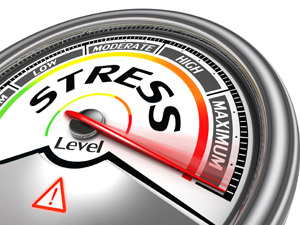
There’s research worth knowing here. In one study of 121 women, scientists separated two things that usually go hand in hand: monitoring calories and restricting them. Over three weeks, keeping track of calories was linked to higher reported stress, while cutting back was linked to a rise in cortisol, one of our stress hormones. Those were two separate findings, and of course some people do find tracking useful. But if all that checking leaves you frazzled, your experience is real and it matters. Something designed to help you can become one more demand on an already busy day.
Does trying not to think about food make it worse?
Often, yes. The harder you push a food out of your mind, the louder it tends to shout back.
Try it now. For ten seconds, don’t think about chocolate. Don’t picture your favourite bar. How did that go? Researchers have tested something similar. In a study of 116 women, those who tended to restrict their eating and were then asked to suppress thoughts of chocolate went on to eat more of it afterwards than women in the other groups. The suppression backfired.
Recognise that pattern? You’re “good” all day, then one biscuit slips through and the thought arrives: “Well, I’ve ruined it now, I may as well carry on.” One biscuit becomes the whole packet, then comes the guilt and the promise to be stricter tomorrow. And round it goes.

What can you do instead of counting calories?
Give your body structure it can trust, then tune back in to it. Here’s where I’d start.
First, eat regular, satisfying meals with some protein, plenty of fibre and lots of vegetables. If you skip lunch to save calories and then raid the cupboards at night, that’s the pattern to change first. Ask “what would leave me properly nourished?” rather than “how little can I get away with?”
Second, pick one meal a day to eat sitting down, without your phone or the telly. Notice the taste, and notice the moment you feel comfortably satisfied. You’re not testing yourself, you’re simply paying attention again.
Third, get curious about the eating that isn’t really about hunger. If you reach for food every evening, ask what’s going on. Tired? Lonely? Finally five minutes to yourself? A calorie total will never tell you what kind of day you’ve had.
Taking back control, without the numbers
One thing I’ve seen again and again over the past 15 years is that lasting change doesn’t come from gripping tighter. It comes from shifting the habits running quietly underneath, so healthier choices start to feel instinctive rather than like a daily fight.
That’s exactly what Slimpod is designed to do. Instead of rules and numbers, it helps you rewire those automatic behaviours, take back control around food, and notice the little wins as they add up. No counting, no deprivation, just a steadier, freer relationship with eating.
If you’d love to know how that feels, you can try Slimpod with a 10-day free trial. Give yourself the chance to eat, enjoy it, and get on with your day. You really can do this.
Frequently asked questions
Will I put weight on if I stop counting calories?
Not if you replace the counting with habits that genuinely support you. Most people fear a free-for-all, but regular, satisfying meals and tuning back in to your hunger tend to steady your eating rather than send it haywire. For a lot of people, letting go of the numbers actually reduces the all-or-nothing bingeing that counting can trigger.
Do calories still matter if I’m not counting them?
Energy balance does still play its part in weight, yes. But mattering and needing to be counted are two different things. You can eat in a way that supports your weight without weighing portions or logging every bite, simply by building choices you can sustain.
How long does it take to stop counting calories?
There’s no set timeline, and you don’t have to prove anything by suddenly deleting the app. If counting feels like a safety net, make gradual changes and give yourself time, especially if hunger and fullness feel confusing after years of dieting.
Is calorie counting bad for everyone?
No. Some people genuinely find tracking useful and aren’t bothered by it. The point is simply that if all the checking and calculating leaves you stressed and preoccupied with food, that’s worth taking seriously, and there’s another way.