I’ll let you into a secret. Christmas is my weak spot when it comes to chocolate. I can happily have a box in the house at any other time of year, but in December, when I’ve got too much on and my head’s still going through the list at nine o’clock at night, I’m much more likely to open it and keep going back for another.
And the funny thing is, I love Christmas. It’s the run-up that gets me. There’s always something else to finish, something I’ve forgotten to buy, or a message asking what time everyone should come round. By the time I get a minute to myself, a chocolate feels like a lovely little reward, and sometimes I eat more than I meant to.
I used to think the moment to do something about it was when I had my hand in the chocolate box. These days, I pay much more attention to what’s happened before I get there. Have I had a proper lunch? Have I stopped at all? And why have I decided that everything on that list has to be done by me?
So here are three things I do in the run-up to Christmas, and why they help me.
1. I look at the week before it runs away with me
Planning! A lifesaver and stress buster!!! On a Sunday, I take ten minutes to look at what’s coming up. If Thursday’s already packed and I’ve got something on in the evening, I work out when I’m going to have lunch. If Friday looks ridiculous, I decide what I can move or ask someone else to do.
It sounds so obvious, doesn’t it? But there’s a big difference between deciding on Sunday that Friday’s supper is going to be something easy and standing in the kitchen on Friday night, tired and hungry, trying to think what on earth to cook.
2. I ask myself what I actually fancy
When I catch myself going back to the chocolate box, I give myself a moment. Sometimes I do fancy another chocolate, and I’ll have one and enjoy it. Sometimes I realise I’m properly hungry because I’ve barely eaten. And sometimes what I really fancy is a cup of tea and ten minutes without anyone asking me anything.
That little pause helps because I’ve spent years noticing how automatic eating can be. Even now, I can be halfway through unwrapping a chocolate before it occurs to me to ask whether I actually want it.
3. I catch the ‘Oh, what the hell’ thought
I know this one well. I’ve eaten more chocolate than I meant to and up pops the thought, ‘Oh, what the hell. It’s Christmas. I’ll sort myself out in January.’
That’s the thought I look out for now. I can have an evening where I eat more than I intended, wake up the next morning, have my usual breakfast and get on with my day. I find Christmas a lot more enjoyable when I can have the chocolates I love without feeling I have to start all over again in January.
That moment when I catch myself halfway through unwrapping a chocolate gets to the heart of why I created Slimpod. So much of what we do around food happens automatically. Slimpod uses nine minutes of daily listening to help you change those familiar patterns, so the choices you want to make around food start to feel more instinctive.
If you recognise a bit of yourself in my Christmas chocolate habit and you’re curious about how it works, you can try Slimpod free for 10 days.
Your questions about stress, cravings and weight
Can stress really cause weight gain?
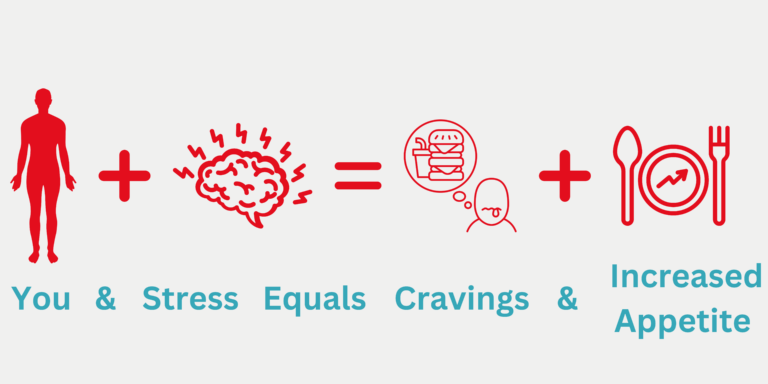
Yes, ongoing stress can contribute to weight gain. It can affect your appetite and sleep and disrupt everyday routines such as eating regular meals or getting out for a walk. If the run-up to Christmas means several weeks of late nights, rushed meals and more evening snacking than usual, it’s easy to see how your eating patterns can shift.
How does cortisol affect your weight?
Cortisol is one of the hormones your body releases when you’re under pressure. When stress carries on, your body’s stress response can stay active for longer. Cortisol is one part of that picture, alongside changes in how you sleep, eat and move. When I notice my eating has changed, I start by looking at what’s been happening in my day.
How does cortisol affect your weight? Why do I crave sugar or comfort food when I’m stressed or tired?
Something sweet can feel like a quick pick-me-up or a bit of comfort at the end of a long day. If you often reach for it at the same time, that can become a habit you fall into without thinking. For me, it’s worth asking whether I’ve had enough to eat, whether I’ve had a chance to stop, or whether I simply fancy the chocolate.
Can stress make it harder to lose weight?
Yes, it can. If you’re sleeping badly, eating at odd times or struggling to keep up your usual routines, managing your weight can feel harder. I’d start with whichever part of the day keeps tripping you up. If you’re getting home ravenous every evening in December, making time for a proper lunch might be the most helpful change you make that week.
How can I stop stress eating in the moment?
Take a couple of slow breaths and ask yourself, ‘What do I actually need right now?’ You might need something to eat, a proper break, or a bit of help with whatever’s been hanging over you all day. And sometimes you’ll decide you’d really enjoy a chocolate. That little pause gives you time to choose.