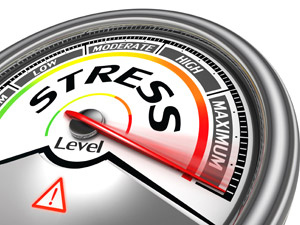
Ever noticed how stress can make you reach for chocolate, biscuits or anything that feels comforting? That is not a failure of willpower. It is a biological response. Ongoing stress can disrupt hormones, increase cravings and make weight loss feel far more difficult.
This video in my Science of Sustainable Weight Loss series explains how stress affects your body and mind, why it can lead to emotional eating, and what you can do to feel calmer and more in control.

Summary
Stress can have a powerful effect on weight loss. When you are under pressure, your body releases adrenaline and cortisol. Over time, raised cortisol can encourage fat storage, especially around the middle, while stress itself can make cravings stronger and healthy choices feel harder.
Stress affects weight loss in four key ways:
Increases comfort eating: Stress can trigger cravings for sugary, fatty foods because the body is looking for quick relief.
Raises cortisol: When stress becomes chronic, cortisol can encourage the body to store fat and make weight loss harder.
Affects clear thinking: High stress can reduce impulse control and make it harder to make calm, supportive decisions around food.
Disrupts recovery: Stress can affect sleep, deplete important nutrients and leave you feeling more reactive and less resilient.
The encouraging news is that small changes can help. Daily moments of relaxation, gentle movement and better sleep can all support your nervous system and make healthy habits easier to maintain. Watch the video for practical tips to reduce stress and support sustainable weight loss.
New episodes every Wednesday at 6 pm, subscribe to my YouTube channel to never miss an episode.