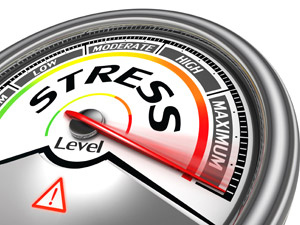
Have you ever reached for food not because you were physically hungry, but because you felt tired, stressed or overwhelmed?
If food sometimes feels comforting, you are not alone. Emotional eating is one of the biggest reasons people struggle to sustain long-term weight loss. This video in my Science of Sustainable Weight Loss series explains what emotional eating really is, why it happens, and gives you practical ways to start breaking free from it.
Read next: How to lose weight and keep it off
Summary
Emotional eating happens when we use food to regulate how we feel. That might be boredom at 5 pm, stress after work, loneliness in the evening, or even a celebration. Over time, the brain forms a powerful association:
Food = comfort
Food = relief
Food = reward
Many of these patterns begin in childhood. Food is given to soothe, distract or celebrate. The subconscious mind stores that link. So later in life, when emotions rise, your brain automatically reaches for what it has learned will make you feel better — quickly.
The problem is that when diets end, the emotional wiring is still there. And unless that changes, the weight often returns.
If you want to begin breaking the pattern, start here:
Pause before you eat and ask, “Am I physically hungry, or am I trying to change how I feel?”
Notice your triggers — time of day, environment, emotional state.
Treat yourself with kindness. Shame strengthens the cycle. Compassion weakens it.
When your mind and body begin working together instead of fighting each other, food gradually loses its emotional grip.
New episodes every Wednesday at 6 pm, subscribe to my YouTube channel to never miss an episode!